Choosing the Right Dispensing Closures for Your Packaging Needs
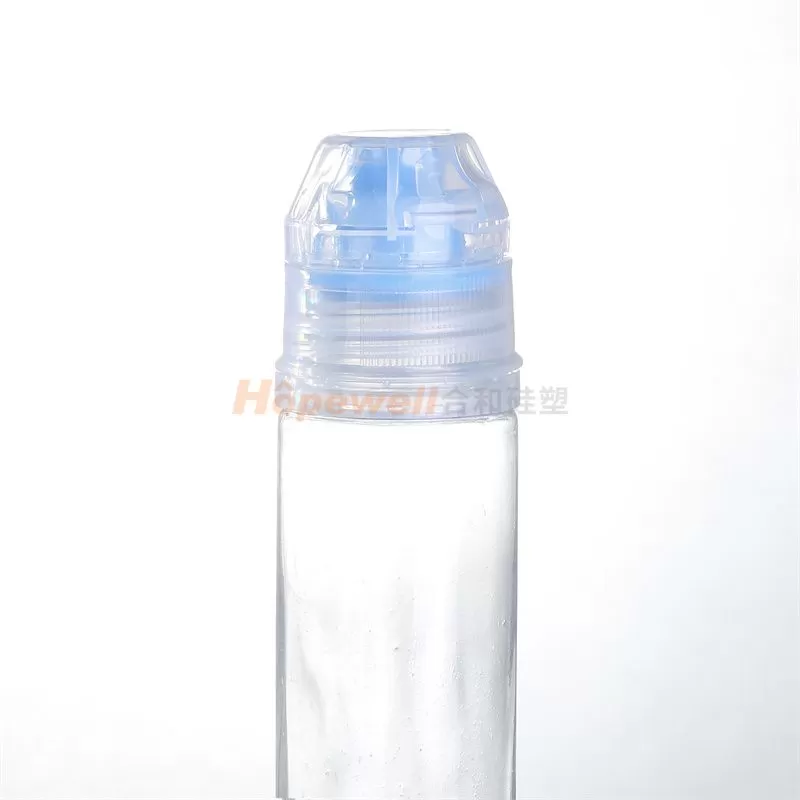
In modern product packaging, dispensing
closures play a vital role in improving usability, product protection, and
brand appeal. These closures are designed to control the flow of liquid, cream,
gel, or powder products while ensuring convenience for consumers. From personal
care items to food products and household chemicals, selecting the right
dispensing closure can significantly enhance both functionality and customer
satisfaction.
Understanding
Dispensing Closures
Dispensing closures are specialized caps that
allow users to release a controlled amount of product from a container. Unlike
standard caps, these closures provide easy access without requiring the user to
fully remove the lid. They are widely used in industries such as cosmetics,
pharmaceuticals, food and beverage, and household cleaning products.
Common types include flip-top caps, pump
dispensers, disc-top closures, and spout caps. Each type is designed to meet
specific packaging and product requirements.
Key Factors
to Consider When Choosing Dispensing Closures
Selecting the right dispensing closure
requires careful consideration of several important factors.
1. Product
Type and Viscosity
The thickness or viscosity of the product is
one of the most critical considerations. Thick products such as lotions, gels,
and sauces often require larger dispensing openings or pump systems, while
thinner liquids may work best with flip-top or disc-top closures.
2.
Application and Industry Requirements
Different industries have unique packaging
requirements. For example, food packaging may require closures that maintain
hygiene and prevent contamination, while cosmetic products often prioritize
aesthetic design and ease of use.
3. Material
Compatibility
Dispensing closures are typically made from
materials such as polypropylene (PP) or polyethylene (PE). It is important to
ensure that the closure material is compatible with the product inside the
container to prevent chemical reactions, leakage, or degradation.
4. Ease of
Use
Consumer convenience is a major factor in
packaging success. Closures should allow easy opening, controlled dispensing,
and secure resealing. A well-designed dispensing closure improves the overall
user experience and encourages repeat purchases.
5. Leakage
Prevention and Seal Quality
High-quality closures should provide a tight
seal to prevent leaks during transportation, storage, and everyday use. This is
especially important for liquid or sensitive products.
6. Branding
and Design
Packaging plays a significant role in brand
recognition. Dispensing closures are available in various shapes, colors, and
finishes that can complement the overall packaging design and strengthen brand
identity.
Popular
Types of Dispensing Closures
Some commonly used dispensing closures
include:
- Flip-Top Closures: Ideal
for shampoos, conditioners, and personal care products.
- Disc-Top Closures: Often
used for lotions and cosmetic products.
- Pump Dispensers:
Perfect for liquid soaps, sanitizers, and skincare products.
- Spout Closures:
Frequently used for sauces, oils, and food products.
Each option offers unique advantages depending
on the product and its intended use.
Benefits of
Choosing the Right Dispensing Closure
Selecting the appropriate dispensing closure
can provide several advantages:
- Improved product control and reduced waste
- Enhanced user convenience and satisfaction
- Better product protection and hygiene
- Increased shelf appeal and brand value
- Reduced risk of leakage during transport
Conclusion
Choosing the right dispensing closure is an
important step in creating effective and user-friendly packaging. By
considering factors such as product viscosity, material compatibility,
usability, and design, businesses can ensure their packaging meets both
functional and marketing needs. The right dispensing closure not only protects
the product but also enhances the overall consumer experience, helping brands
stand out in competitive markets.
Comments
Post a Comment